


Top Tips for Mountain Trekking Adventures: Your Ultimate Guide to an Unforgettable Journey

Embarking on a mountain trekking adventure is like stepping into a world where nature’s grandeur unfolds in every direction. The crisp air, the rugged trails, and the breathtaking vistas create an experience that stirs the soul and ignites a sense of wonder. Whether you are planning a family outing, a corporate retreat, or a special celebration like a wedding party, preparing well can transform your trek into a seamless and exhilarating journey. Let me share some of my top tips that will help you embrace the mountains with confidence and joy.
Essential Mountain Trekking Tips for a Safe and Enjoyable Experience
When you set out on a trek, preparation is your best companion. The mountains demand respect and readiness, but with the right approach, they reward you with unforgettable memories. Here are some practical tips to keep in mind:
Choose the Right Gear: Invest in sturdy trekking shoes with good grip and ankle support. Layer your clothing to adapt to changing weather - moisture-wicking base layers, insulating mid-layers, and waterproof outer shells are must-haves.
Pack Smart: Carry a lightweight backpack with essentials like water, snacks, a first-aid kit, sunscreen, and a map or GPS device. Don’t forget trekking poles to ease the strain on your knees.
Stay Hydrated and Nourished: Drink water regularly and eat energy-boosting snacks such as nuts, dried fruits, and energy bars. This keeps your stamina high and your spirits lifted.
Acclimatize Gradually: If you’re trekking at high altitudes, allow your body time to adjust. Ascend slowly and take rest days to avoid altitude sickness.
Respect Nature: Stick to marked trails, avoid littering, and observe wildlife from a distance. The mountains are a sanctuary for many species, and preserving their habitat is crucial.
By following these tips, you ensure not only your safety but also a deeper connection with the natural world around you.
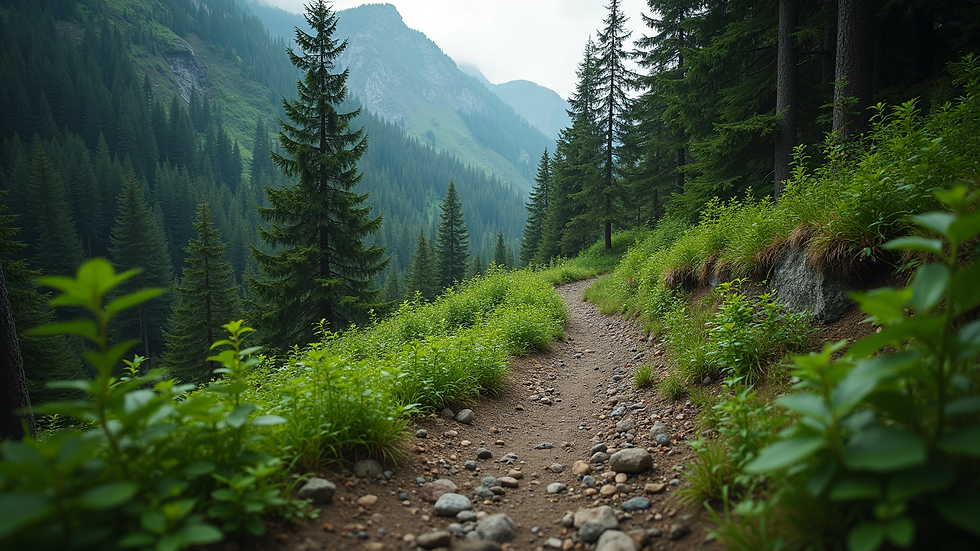
What is the difference between trekking and hiking?
Many people use the terms trekking and hiking interchangeably, but they actually describe different types of outdoor adventures. Understanding this difference can help you choose the right activity for your group and prepare accordingly.
Hiking usually refers to shorter walks on well-marked trails, often completed within a day. It’s accessible to most fitness levels and can be a leisurely way to enjoy nature.
Trekking, on the other hand, involves longer journeys that may span several days or weeks. It often takes you through remote and rugged terrain, requiring more endurance, planning, and sometimes camping overnight.
Trekking tends to be more challenging and immersive, offering a chance to experience diverse landscapes, cultures, and wildlife in a profound way.
Knowing these distinctions helps you set realistic expectations and pack the right gear. Whether you’re organizing a family outing or a corporate group expedition, choosing between hiking and trekking will shape your adventure’s pace and intensity.
How to Prepare Mentally and Physically for Your Trek
Mountain trekking is as much a mental challenge as it is a physical one. Preparing your body and mind can make the difference between a tiring ordeal and a joyful conquest.
Build Endurance: Start with regular cardio exercises like walking, jogging, or cycling. Gradually increase the duration and intensity to mimic trekking conditions.
Strengthen Muscles: Focus on leg muscles, core stability, and balance through squats, lunges, and planks. Strong muscles reduce fatigue and prevent injuries.
Practice with a Loaded Backpack: Train by walking with a backpack loaded with some weight. This helps your body adapt to carrying gear during the trek.
Visualize Success: Mental preparation is powerful. Imagine yourself conquering steep slopes, enjoying panoramic views, and overcoming challenges with ease.
Stay Positive: Trekking can be unpredictable. Embrace the adventure with a flexible mindset and a spirit of curiosity.
By combining physical training with mental readiness, you equip yourself to face the mountains’ demands with resilience and enthusiasm.

Choosing the Perfect Trekking Destination for Your Group
Selecting the right trekking destination is crucial, especially when planning for diverse groups like families, corporate teams, or wedding parties. The ideal location balances natural beauty, accessibility, and available amenities.
Consider Difficulty Levels: For families or mixed groups, opt for trails that are moderate and well-maintained. For corporate groups seeking team-building, choose routes that offer both challenge and safety.
Look for Scenic Variety: Trails that pass through forests, rivers, and open meadows provide a rich sensory experience. Diverse landscapes keep everyone engaged and excited.
Check Accommodation Options: Luxury villas or resorts near trekking routes, like LaTigre Resort in Jim Corbett, offer a perfect blend of comfort and adventure. After a day on the trails, relaxing in opulent surroundings enhances the overall experience.
Plan for Activities Beyond Trekking: Many destinations offer wildlife safaris, cultural tours, and wellness facilities. These add layers of enjoyment and relaxation for your group.
Accessibility and Safety: Ensure the destination has good connectivity and emergency services. This is especially important for larger groups or those new to trekking.
Choosing thoughtfully ensures your adventure is memorable for all the right reasons.
Tips for Trekking with Groups: Families, Corporate Teams, and Wedding Parties
Trekking with a group adds a wonderful social dimension but also requires extra planning to keep everyone happy and safe.
Communicate Clearly: Share the itinerary, expected difficulty, and packing list well in advance. This helps everyone prepare mentally and physically.
Set a Comfortable Pace: Keep the group together and take regular breaks. Encourage slower members and celebrate small milestones.
Assign Roles: For corporate groups, assign roles like navigator, medic, or motivator. This fosters teamwork and shared responsibility.
Plan Group Activities: Incorporate fun activities like nature photography, storytelling around a campfire, or yoga sessions to build camaraderie.
Safety First: Carry a comprehensive first-aid kit and ensure at least one person is trained in basic first aid. Keep emergency contacts handy.
Celebrate Special Occasions: For wedding parties or celebrations, coordinate with local vendors for special meals, decorations, or cultural performances to make the trek extra special.
With thoughtful organization, group trekking becomes a bonding experience filled with laughter, learning, and lasting memories.
Embracing the Spirit of Adventure: Your Next Step Awaits
Mountain trekking is more than just a physical journey - it’s a soulful exploration that connects you with nature’s raw beauty and your own inner strength. Each step on the trail is a story waiting to be told, a challenge to be met, and a moment to be cherished. Whether you are wandering through the serene forests of Jim Corbett or scaling majestic peaks, the adventure transforms you.
Remember, the mountains welcome those who come prepared, respectful, and eager to discover. So pack your bags, lace up your boots, and dive into the exhilarating world of mountain trekking. Your next great adventure is just a trail away!


Comments